Despite their contrasting orientations towards the archive, on the one hand, and the speculative, on the other, there nonetheless exists a certain formal affinity between the genres of historical and science fiction. If the historical novel returns to prior moments of rupture and transition in order to depict how the future emerges – or couldContinue reading “‘An Internal Event’: Weird Histories and The Wax Child”
Tag Archives: Historical Novel
‘A Little Heap of Livid Dust’: The Leopard and Historical Fiction
Owing to a family medical emergency, I have recently spent an unexpected four weeks in Ravenna, a charming and historic town situated beside Italy’s Adriatic Coast. With twice daily visits to the hospital, days seemed to slip free from the controlling clutches of the calendar and were only distinguishable insofar as which restaurants happened toContinue reading “‘A Little Heap of Livid Dust’: The Leopard and Historical Fiction”
Enzo Traverso’s Revolution: An Intellectual History
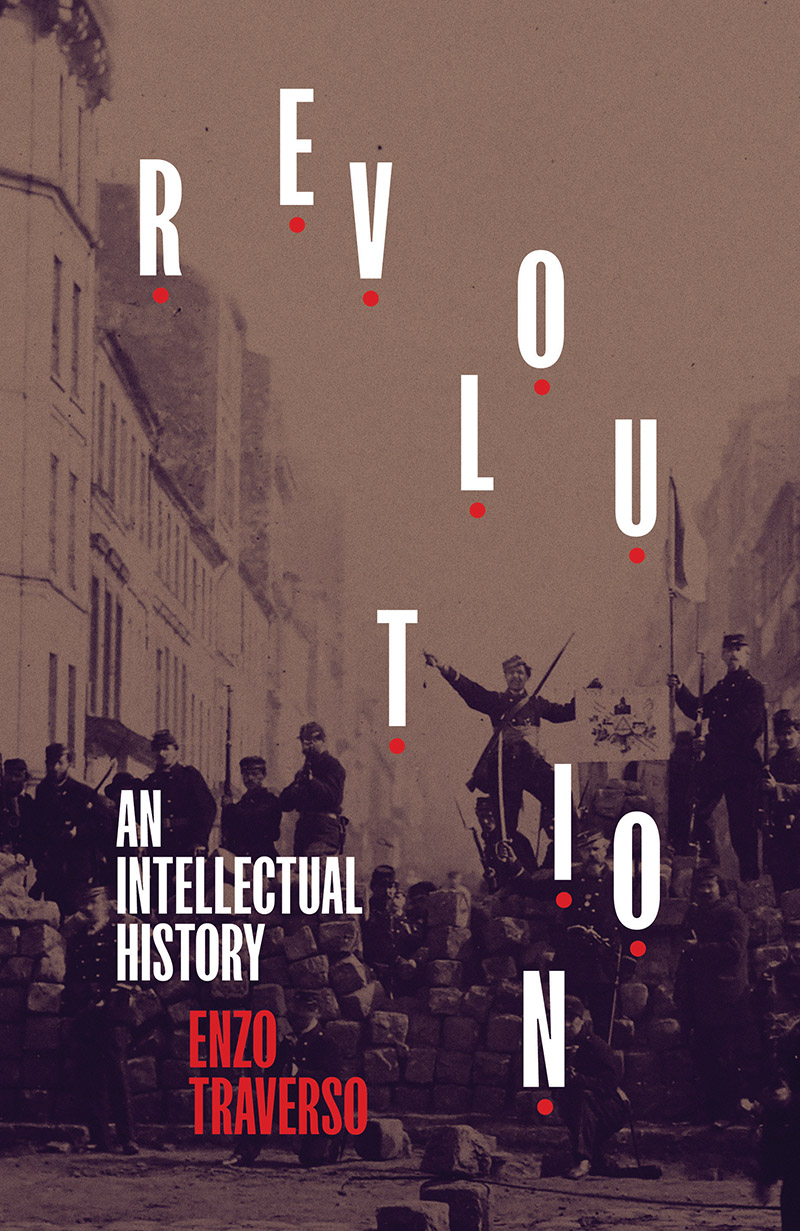
One of the questions raised by Frédéric Lordon’s Imperium relates to what a political body can do, what actions it is capable of, what projects it imagines are possible. Turning to Spinoza, Lordon argues that ‘what a body can do depends on the configuration of its ingenium’. As deployed by Lordon, ingenium seemingly denotes aContinue reading “Enzo Traverso’s Revolution: An Intellectual History”
Completing the Unresolved Plot of History
Theory, Politics, and Literature in Ricardo Piglia’s The Way Out My article Completing the Unresolved Plot of History: Theory, Politics, and Literature in Ricardo Piglia’s The Way Out has been published on Tom Pazderka’s Substack, A Secret Plot. The piece considers the combination of mythology, capital, and furious readers in Piglia’s eerily anachronistic and offbeatContinue reading “Completing the Unresolved Plot of History”

