Note: I received some very constructive (but also chastening) feedback on the below. Ordinarily, I don’t think it is particularly good practice to post a version of an article that has been declined for structural and stylistic reasons. However, I can feel that my enthusiasm for the broader project of outlaw appropriation has begun toContinue reading “Rough Notes on Outlaw Appropriation (Reloaded)”
Category Archives: Interludes
The Crisis of Narration
Review The crisis of literary studies as a critical practice and an academic profession animates season eight of the American Vandal podcast. A landmark survey of the institutional histories, proclivities and potential futures of literary criticism, the crisis is presented as one of method but also of labor. A crisis of method, as critics areContinue reading “The Crisis of Narration”
Of Transclasses and Outlaws
In Transclasses, Chantal Jaquet supplements work on social reproduction theory by considering exceptions to the rule, counterexamples where habitual models of identification are rejected, instances of what Jaquet calls ‘social non-reproduction’. With reference to social class – the subject of Jaquet’s text – non-reproduction relates to situations where individuals leave their familial class and crossoverContinue reading “Of Transclasses and Outlaws”
Rough Notes on Outlaw Appropriation and Anchorage (2021)

In Mute Compulsion (2023), Soren Mau questions how capital has managed to ‘sustain its grip on social life’, how, despite its catastrophic volatility, it has been able to persist from the 15th century through to the present. Critics on the left have generally theorized capitalism’s continuity through a combination of violence and ideology – andContinue reading “Rough Notes on Outlaw Appropriation and Anchorage (2021)”
Update Autumn 2023
I haven’t made as much progress on the outlaw appropriation/money as novelist project as I would have liked over the past summer. In part this is because I remain undecided as to what genre of writing the project belongs to, whether it is a blog post, literary essay, or an academic article; but also whetherContinue reading “Update Autumn 2023”
Cracking Capitalism: Myth and Labour in Inventing Anna
My somewhat belated reflections on Inventing Anna (2022) were published last week on Tom Pazderka’s substack A Secret Plot. The article in part seeks to question what it is about contemporary con artists and hustlers that makes them historically distinct (assuming they are indeed historically distinct) from the mythic snake oil salesman that haunts theContinue reading “Cracking Capitalism: Myth and Labour in Inventing Anna”
Enzo Traverso’s Revolution: An Intellectual History
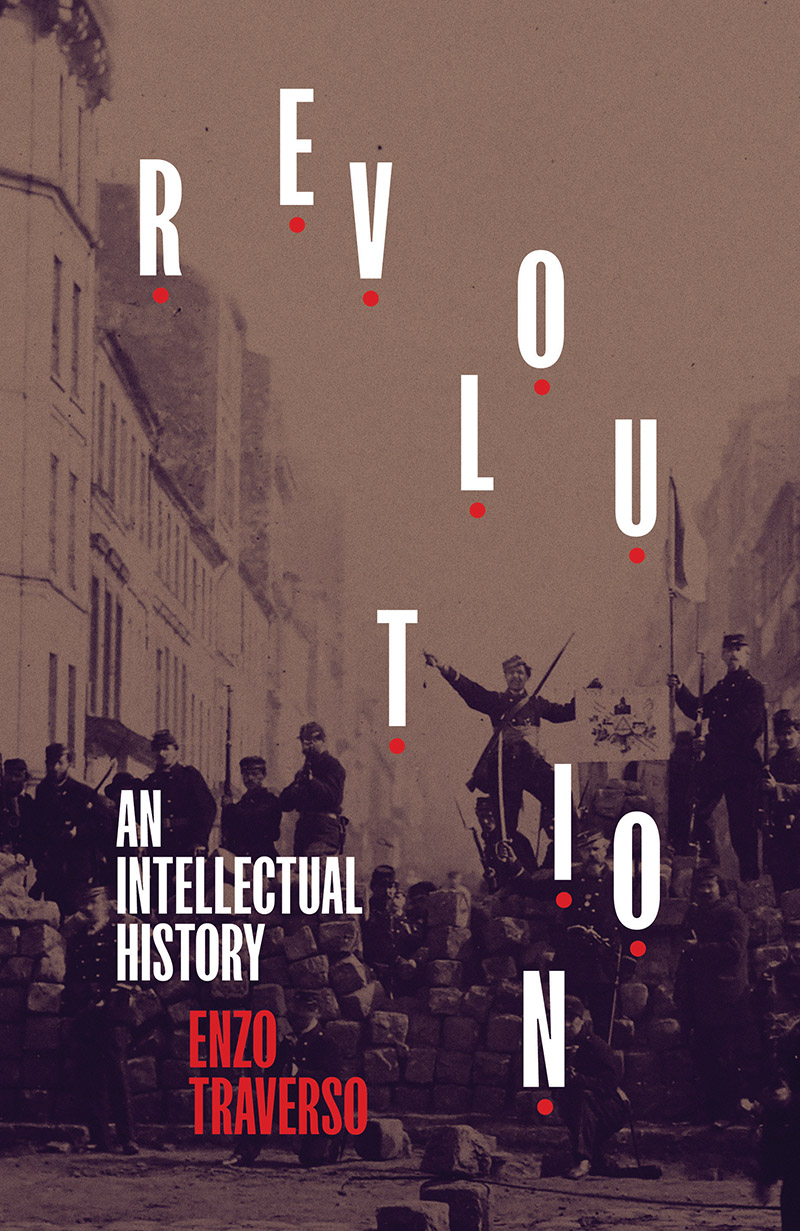
One of the questions raised by Frédéric Lordon’s Imperium relates to what a political body can do, what actions it is capable of, what projects it imagines are possible. Turning to Spinoza, Lordon argues that ‘what a body can do depends on the configuration of its ingenium’. As deployed by Lordon, ingenium seemingly denotes aContinue reading “Enzo Traverso’s Revolution: An Intellectual History”
Organising the Present – Part Two
Reflections on Political Formalism in Hwang Sok-yong’s At Dusk and Ricardo Piglia’s The Way Out In the Name of Conrad For Kim Minwoo, the way out of the infinite reconstitution of evermore intensive capitalist social relations is death: one he embarks on with others, who end their worlds together, a faint if unsettling vision ofContinue reading “Organising the Present – Part Two”
Epics of Magical Appropriation
Refusing and Remythologising Labour in Outlaw Literature The following was presented at the 19th Annual Historical Materialism Conference in London (10 – 13 November, 2022). Reflecting on his youthful involvement with a delinquent gang calling itself ‘The Club of Midnight Gentlemen’, the narrator of Roberto Arlt’s novel The Mad Toy (1926) fondly recalls that moneyContinue reading “Epics of Magical Appropriation”
Organising the Present – Part One
Reflections on Political Formalism in Hwang Sok-yong’s At Dusk and Ricardo Piglia’s The Way Out In recent years, the prevailing theoretical trends within literary studies have consistently undersold the value and world-making capacities of humanities scholarship. Rather than study the forms through which literature builds and models social relations, critics have been enthralled to aContinue reading “Organising the Present – Part One”
 Thomas Travers